Slip Resistant Shoes Explained: What Do SRC & SRA Mean?
Aug 05, 2026
When choosing the right work shoes, safety is just as important as comfort and durability. For many industries, spending long hours on your feet means your footwear needs to provide reliable support, protection, and grip, especially when working on wet, oily, or slippery surfaces.
This is where slip-resistant shoes come in. Designed with specialised outsole compounds and tread patterns, slip-resistant work shoes help improve traction and provide better stability throughout the workday.
If you’ve been shopping for safety footwear, you may have come across terms like SRA and SRC. But what do these ratings actually mean, and which slip resistance rating is best for your workplace?
Why Slip Resistance Matters
Slips, trips and falls are among the most common workplace injuries across a wide range of industries. Whether you work in a commercial kitchen, warehouse, healthcare environment, retail store or construction site, slippery surfaces can quickly become a safety hazard.
While good housekeeping and workplace safety practices play an important role, choosing the right footwear is another key way to help reduce the risk of slipping.
Slip-resistant shoes are designed to provide better grip underfoot, helping workers feel more stable and confident when moving across challenging surfaces. The right footwear can make a significant difference in environments where wet floors, oil, grease or other contaminants are common.
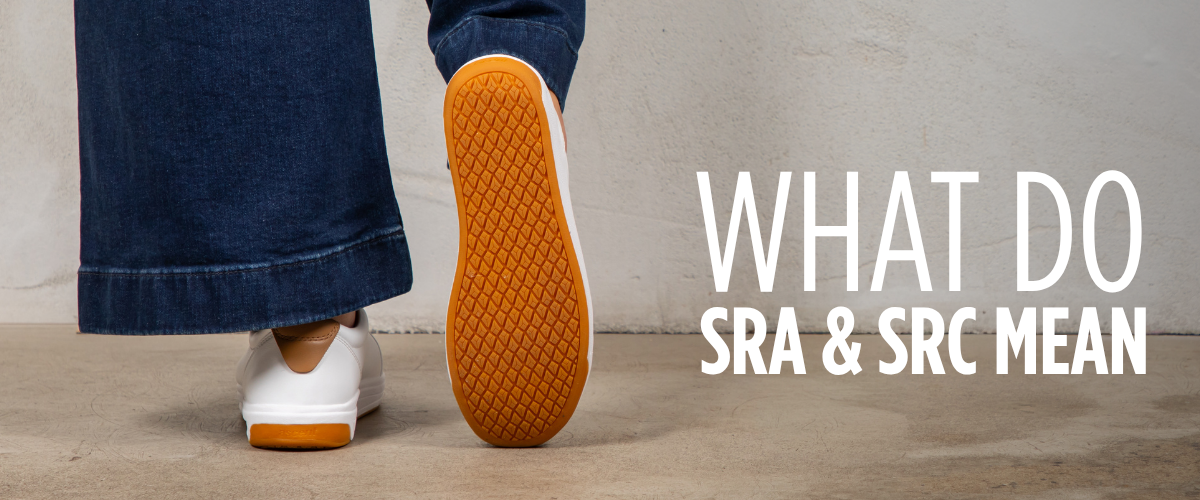
If you’ve been searching for slip-resistant work shoes or safety boots, you may have noticed labels such as SRA and SRC. These are recognised slip-resistance ratings that show footwear has been tested under specific conditions.
What Does SRA Mean?
SRA-rated shoes are tested on a ceramic tile surface coated with a soap solution. This test is designed to simulate wet indoor environments where smooth floors may become slippery. SRA footwear is commonly suited to workplaces where wet floors are the main concern, such as retail, healthcare and hospitality environments.
What Does SRC Mean?
SRC-rated shoes pass both the SRA test and an additional slip resistance test on smooth steel coated with a glycerol (oil-like) solution.
This means SRC footwear has been tested for grip across both wet and oily conditions, making it a popular choice for workplaces where surfaces and hazards can vary throughout the day. These ratings allow you to compare safety footwear based on tested performance, rather than relying only on product claims.
SRA vs SRC: What’s the Difference?
The main difference between SRA and SRC footwear comes down to the testing conditions. SRA-rated footwear is designed to perform well on wet, soapy surfaces. For workplaces where moisture is the main hazard, this level of slip resistance may provide the protection needed.
SRC-rated footwear undergoes additional testing on oily steel surfaces, meaning it has demonstrated grip across a wider range of conditions. This makes SRC safety shoes a versatile option for workplaces where workers may encounter wet floors, oil, grease or other slippery surfaces. While SRC is often considered the more versatile rating, the best choice will depend on your individual workplace and the conditions you face every day.
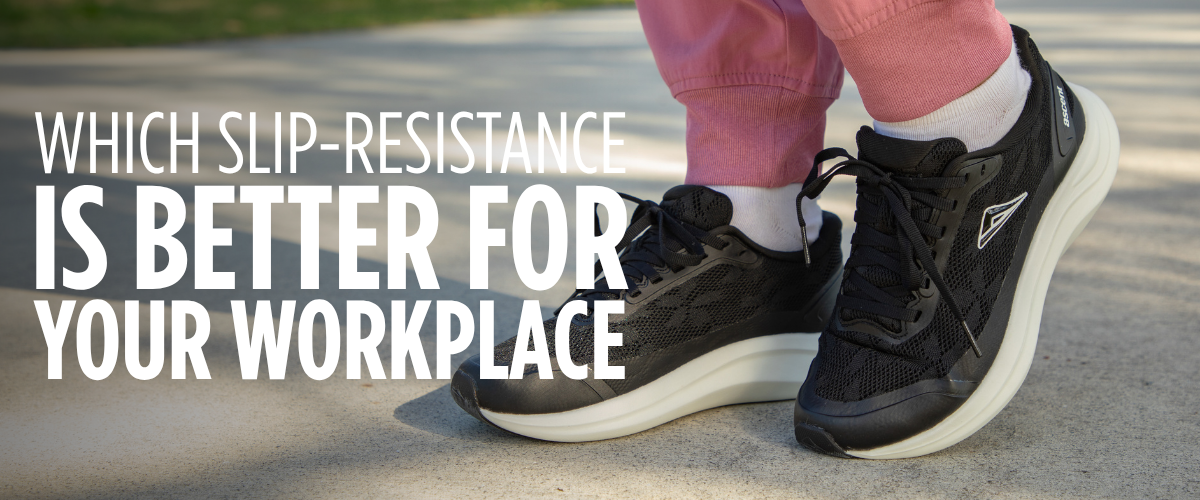
The best slip-resistant shoes for your workplace will depend on your environment, daily tasks and the surfaces you regularly work on.
When choosing safety footwear, it’s also important to consider other features alongside slip resistance. Cushioning, arch support, safety toe protection, durability and all-day comfort are essential, particularly for workers who spend long hours standing or walking.
Slip Resistant Doesn’t Mean Slip Proof
Even the highest slip resistance rating cannot completely eliminate the risk of slipping. Factors such as worn tread, floor contaminants, uneven surfaces and footwear maintenance can all affect how much grip your shoes provide.
To help maintain the performance of your slip-resistant shoes:
- Clean the outsole regularly to remove dirt, mud and debris.
- Check the tread condition and replace footwear when it becomes worn.
- Follow workplace safety procedures and keep walking surfaces clear.
Choosing the right slip-resistant work shoes is an important step towards improving workplace safety. Understanding ratings like SRA and SRC helps you select safety footwear that is suited to your environment, helping you stay comfortable, supported and confident throughout your working day.
The Best Shoes For Nurses Who Stand All Day Aug 05, 2026
Slip Resistant Shoes Explained: What Do SRC & SRA Mean? Jul 15, 2026
When Should You Replace Your Work Shoes? 7 Signs You're Due for a New Pair Mar 18, 2026
Behind The Groove Range Feb 27, 2026
The Benefits of our Diamond Grip Outsole Jan 28, 2026
Supportive School Shoes For Every Child Jan 21, 2026
Your Helpful Checklist For Back To School When It Comes To Shoes Jan 14, 2026
Understanding Foot Growth and Shoe Wear in the First School Year Jan 09, 2026
A Podiatrist's Perspective & a Parent's New Chapter Nov 21, 2025
Why Supportive Sandals Matter More Than You Think


Aug 12, 2026
The Best Shoes For Nurses Who Stand All Day Aug 05, 2026
Slip Resistant Shoes Explained: What Do SRC & SRA Mean? Jul 15, 2026
When Should You Replace Your Work Shoes? 7 Signs You're Due for a New Pair Mar 18, 2026
Behind The Groove Range Feb 27, 2026
The Benefits of our Diamond Grip Outsole Jan 28, 2026
Supportive School Shoes For Every Child Jan 21, 2026
Your Helpful Checklist For Back To School When It Comes To Shoes Jan 14, 2026
Understanding Foot Growth and Shoe Wear in the First School Year Jan 09, 2026
A Podiatrist's Perspective & a Parent's New Chapter Nov 21, 2025
Why Supportive Sandals Matter More Than You Think